
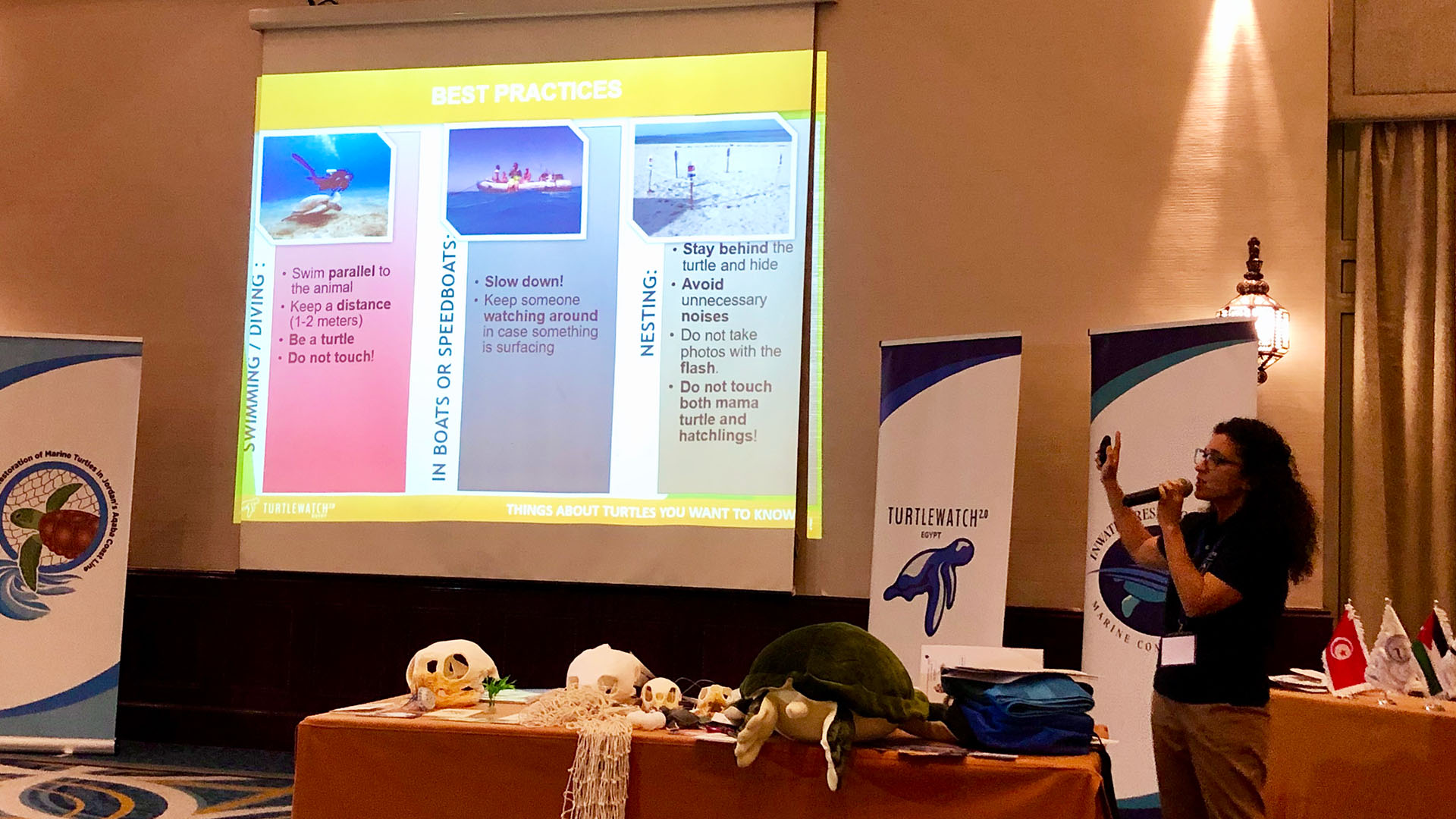
Recently, members of the Aqaba diving community joined a comprehensive turtle conservation and response training supported by Turtle Watch Egypt and Inwater Research Group.
The training brought together prominent local leaders, instructors, guides, and hands-on divers for a clear and practical overview of turtle biology and ecology — and why sea turtles are critical for healthy marine ecosystems in the Red Sea.
How to identify individual turtles (and share sightings)
A major focus was learning how to identify individual turtles at specific dive sites using consistent documentation and photography. The team provided a straightforward reporting method so sightings can be used for real monitoring and conservation work.
Sighting report essentials
- Clear photos of the turtle’s head (key for identification)
- Photos of the turtle from both sides
- The date of the sighting
- The location / dive site
- Permission to share the images for conservation reporting
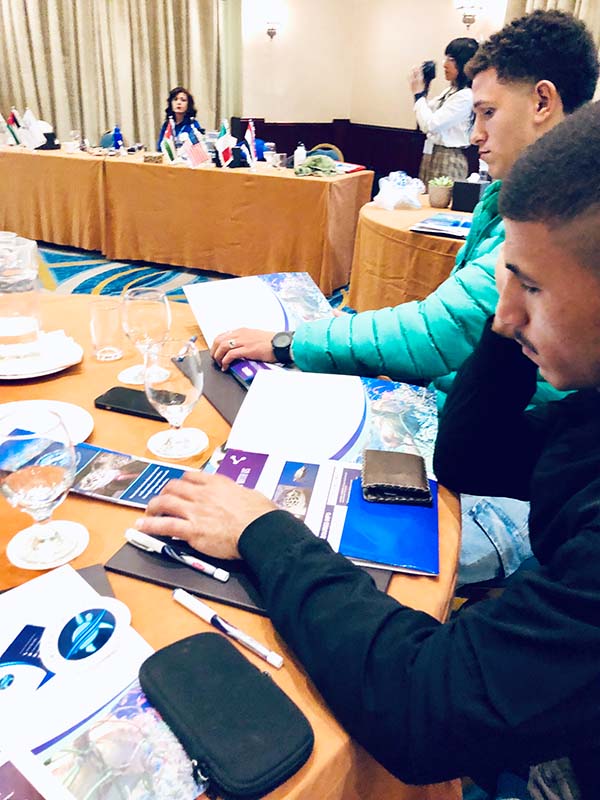
Hands-on lab experience: assessing turtle health
The training also included hands-on lab-style work. Using models, participants practiced measuring and weighing a turtle, then worked in teams to assess health and decide whether the turtle could be released or needed additional care.
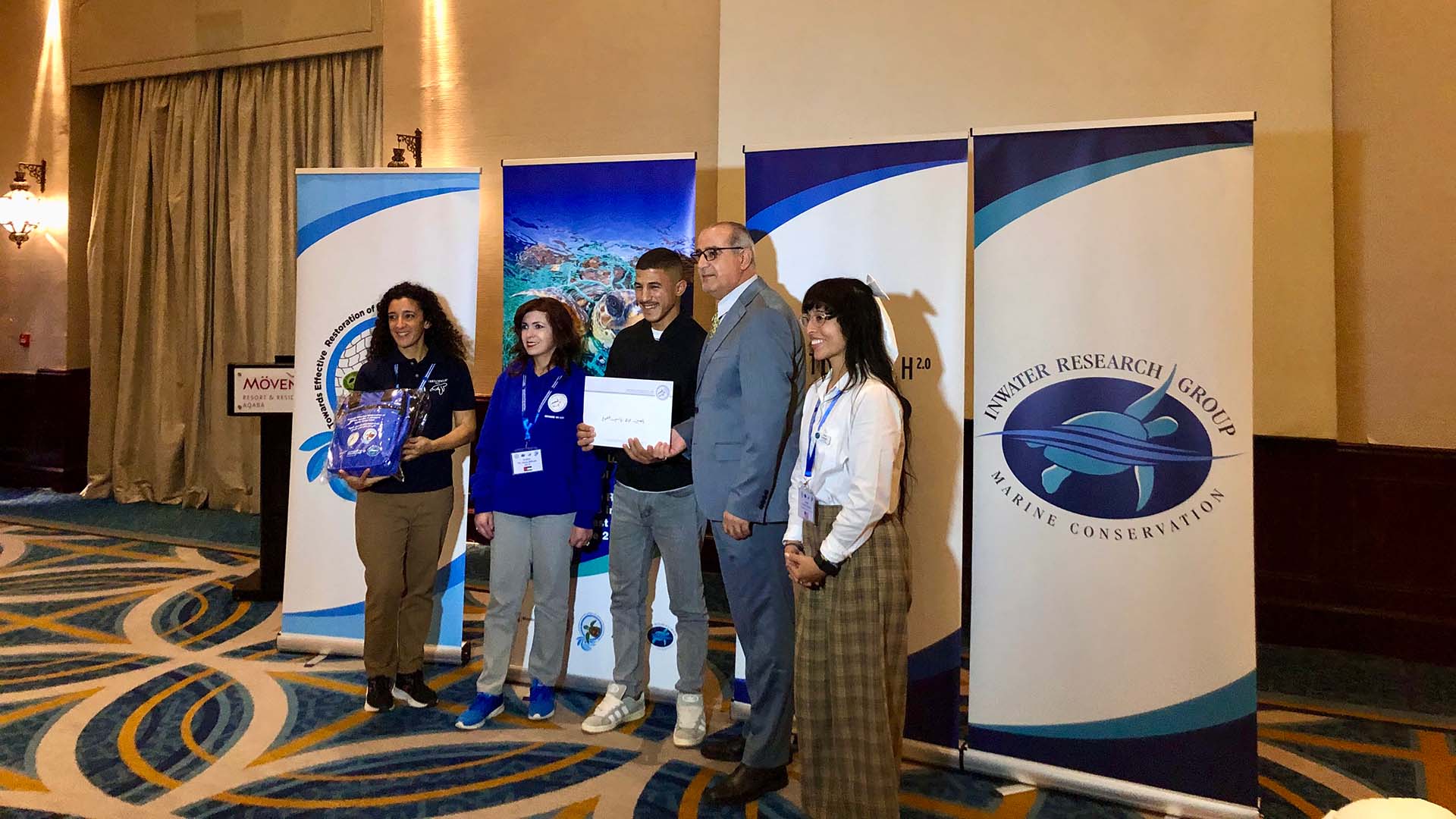
Certificates and a fully equipped response kit
At the end, participants received certificates of participation and a well-equipped turtle rescue kit — including gloves, towels, and essential tools — to support safe, responsible response when needed.
Turtle Watch is coming to Aqaba in 2026
The team shared background on Inwater Research Group and the Turtle Watch program, and we learned that Turtle Watch programming is expected to expand to Aqaba in 2026. We’re excited — this training was a strong foundation for bringing Turtle Watch to Jordan.
Want to dive with conservation in mind?
Ask us about responsible diving practices and how to support conservation during your time in Aqaba.
Contact Stonefish Diving